Proposal to Build the T.S. Jarry Memorial VocationalTraining Center.
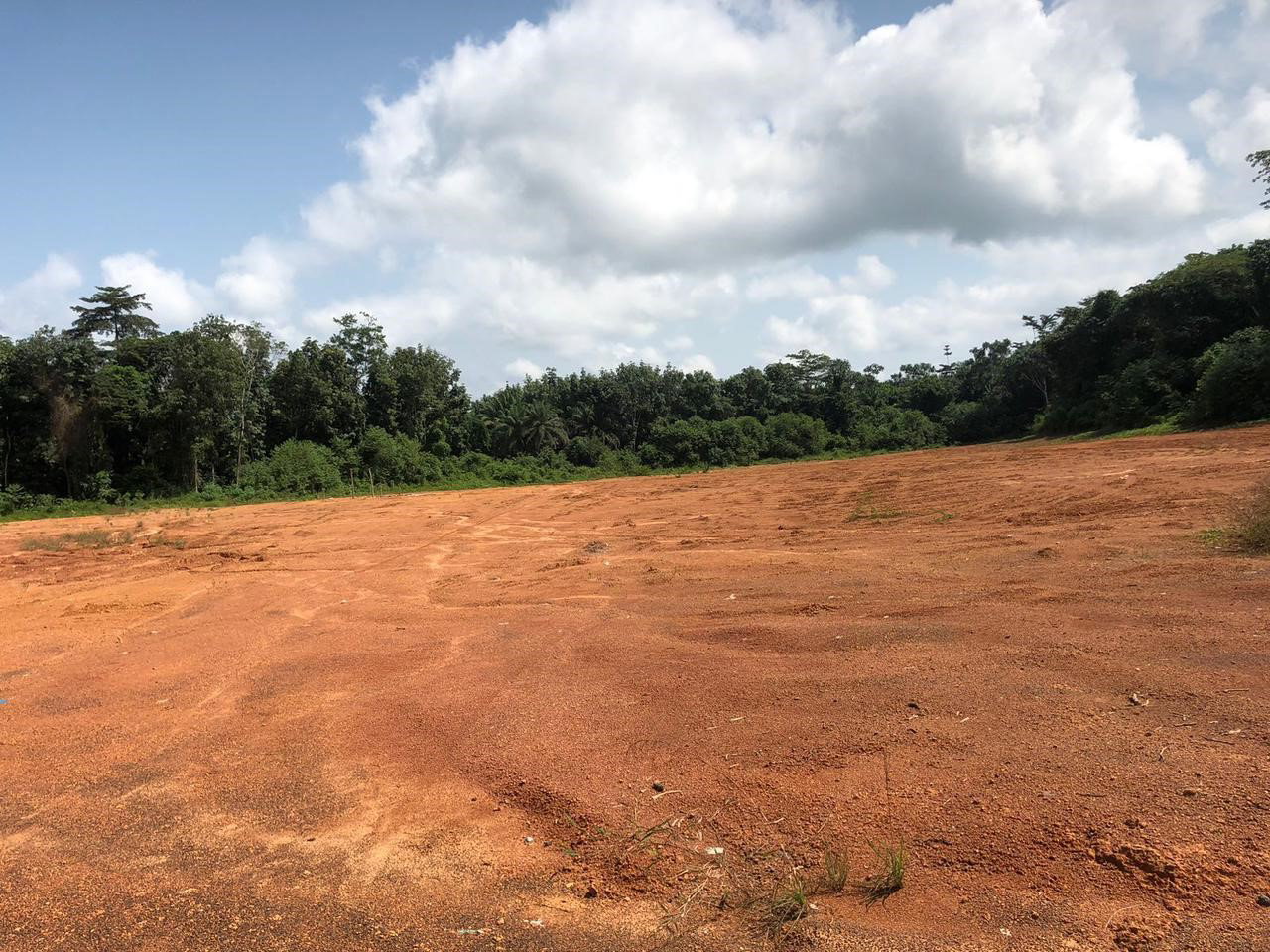
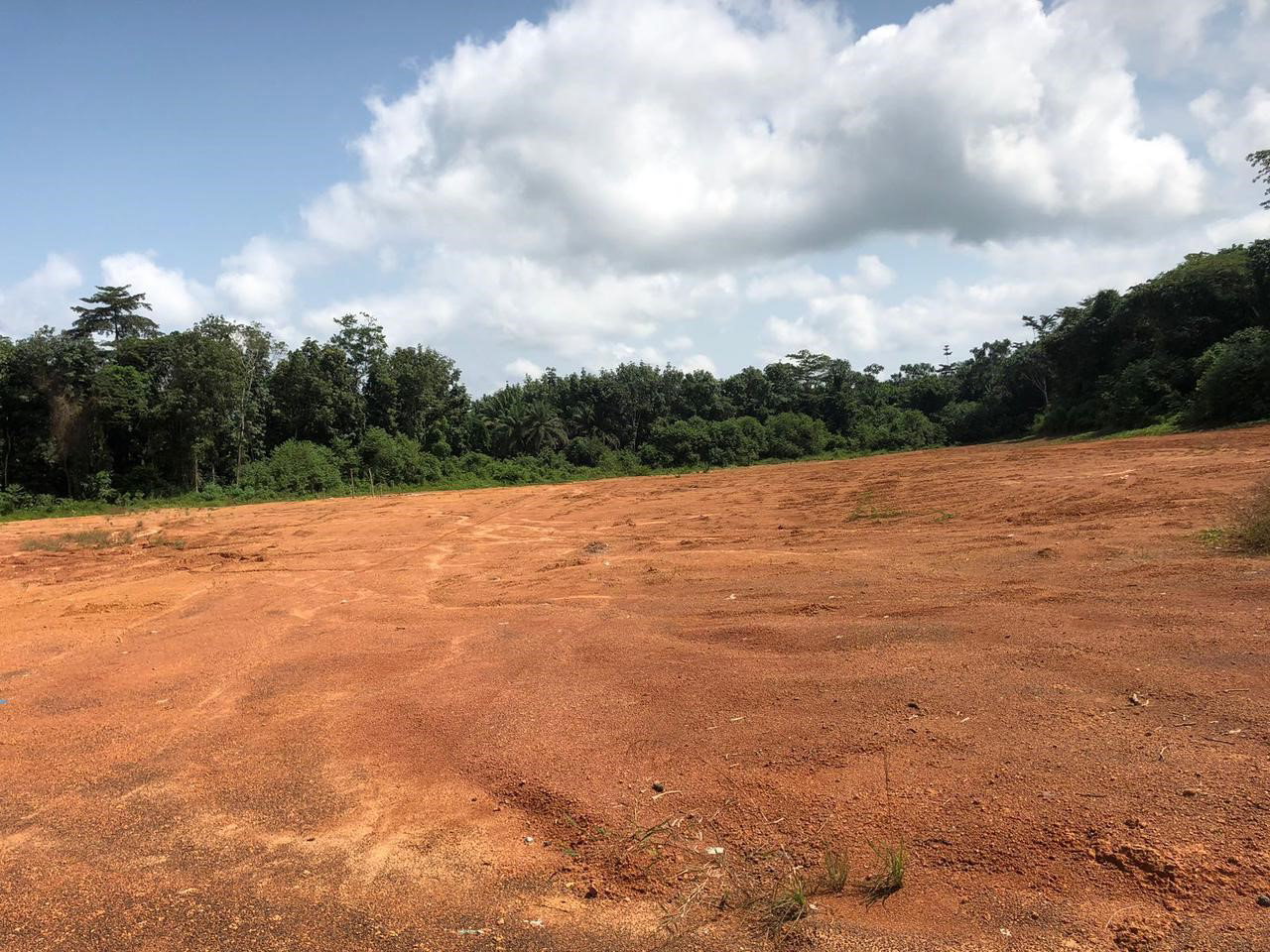
Gbania (not her real name), a 16-year-old from Graie Town, dreams of becoming a skilled tailor, but her path was interrupted when she became a mother at 15. With few options for continuing her education, her aspirations seemed out of reach. The proposed T.S. Jarry Memorial Vocational Training Center will provide practical skills and technical education to residents like Gbania in Graie Town, Zuolay Township, and nearby villages.
The Center aims to address the vocational training gap in Nimba County by offering individuals opportunities to pursue their dreams and improve their economic circumstances. Graie Town, located in District 9 of Nimba County on the main road to Grand Gedeh County, is about a two-hour drive from Tappita. Together with 15 surrounding towns and villages, the area's population is projected to reach 12,000 by 2025, up from 7,200 in 2020.
This represents a 67% surge, underscoring the urgent need to invest in skilled job opportunities to meet the impending demand. Without such investment, the growing population will face increased competition for limited employment opportunities, underscoring the need for immediate funding to enhance vocational training services in the region.
Equitable education demands that we address the systemic barriers leading to high dropout rates among young women in the region. Teenage pregnancy and early child marriage are major challenges, leading many adolescents, especially girls, to leave school. For these young women, vocational education is often the only path to learning and economic empowerment.
Boys who drop out often turn to biking or farming to support their families. Although these activities provide immediate income, bike riding poses significant risks due to frequent accidents, insufficient training, and a lack of protective gear. To address these issues, the vocational training center will introduce safety-training interventions, including a helmet-use workshop. This workshop will focus on teaching the importance of protective gear and practical training to reduce bike-related injuries.
The program will use a Plan-Do-Study-Act cycle to continuously improve safety outcomes, starting with an initial training session, then monitoring accidents and injuries, and revising the training process based on results. Many young people seek practical skills to improve safety and secure sustainable livelihoods, recognizing that relying on bike riding or informal farming limits long-term income and personal growth. Despite their eagerness to learn, most residents lack access to vocational education.
This limits employment opportunities, reduces economic participation, and increases the risk of poverty and social exclusion. The nearest vocational institution is in Tappita, a three-hour walk from the community, making access difficult. Residents support establishing a local training center, have offered land for construction, and mobilized potential learners.
Local leaders are committed to affordable fees and inclusive participation. With the Center expected to enroll over 500 students annually, it aims to achieve measurable outcomes, including a 70% job placement rate within six months of graduation, an average income increase of 40% for graduates, and the creation of at least 50 start-up businesses within the first three years.
The vocational training center will serve about 20 towns and villages, directly benefiting an estimated 12,000 residents with free or affordable skills training. The center aims to reduce unemployment, lower economic dependency, and promote entrepreneurship. Learners will receive technical training, literacy, and basic education, supporting their overall development.
List of Proposed Vocational Programs to be taught:
Auto-mechanic
Plumbing Carpentry
Electricity
Masonry
Building Construction
Computer Science
Mat-making
Agriculture
Architectural Drawing
Agri-business/entrepreneurship